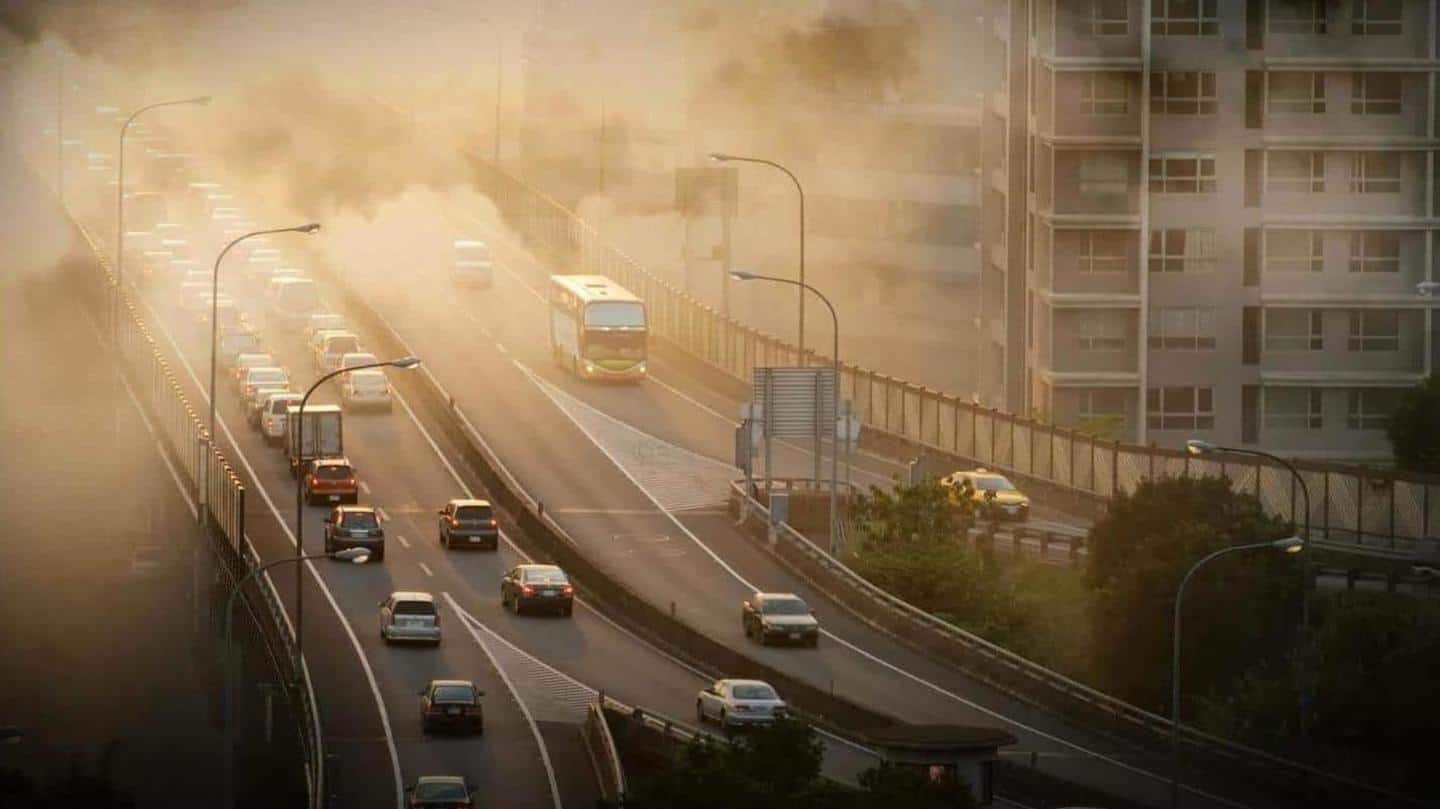
Delhi Air Pollution Emergency: Why Immediate Government Action is Needed
Delhi’s air pollution crisis has emerged as one of the most severe environmental and public health challenges facing India today. Each year, particularly during the winter months, Delhi air quality today deteriorates into the “Severe” and “Hazardous AQI Delhi” categories, exposing nearly 20 million residents to dangerously polluted air. What was once considered a seasonal inconvenience has now become a chronic, life-threatening condition.
Understanding Delhi air pollution is critical to recognising its profound implications for public health, constitutional rights, environmental governance, and sustainable urban living. Persistent exposure to toxic air not only undermines physical health but also erodes the dignity, productivity, and quality of life of Delhi’s residents.
Pollutants such as PM2.5 pollution Delhi, PM10, nitrogen dioxide (NO₂), sulphur dioxide (SO₂), and ground-level ozone consistently exceed National Ambient Air Quality Standards and World Health Organization guidelines often by ten to twenty times permissible limits. This sustained exposure has transformed air pollution in India from a regulatory concern into a full-scale public health emergency.
1. Nature and Causes of Delhi’s Air Pollution Crisis
The Delhi air pollution crisis is the result of multiple, interlinked sources operating within a fragile governance framework. Vehicular emissions remain one of the most significant contributors. Rapid urbanisation, population growth, and an ever-increasing number of private vehicles have intensified vehicular emissions Delhi, despite the existence of emission norms.
- Construction and demolition activities contribute substantially to construction dust pollution, often in direct violation of dust-control guidelines. Open burning of municipal solid waste despite clear legal prohibitions continues to release toxic particulate matter into the atmosphere. Industrial emissions, coal-based power plants, and the widespread use of diesel generators further exacerbate pollution levels.
- Seasonal factors compound these structural problems. Crop residue burning in neighboring states, combined with unfavourable meteorological conditions such as low wind speed and temperature inversion, leads to the accumulation of pollutants over the capital. However, the recurring nature of hazardous AQI levels makes it clear that this crisis is not merely seasonal but systemic.
- The persistence of extreme pollution reflects deeper failures in environmental governance India, where policies exist on paper but enforcement remains inconsistent, delayed, and poorly coordinated.
2. Health Effects of Hazardous Air Pollution in Delhi
The health effects of Delhi smog are severe, measurable, and well documented. Prolonged exposure to polluted air significantly increases the risk of respiratory diseases air pollution, including asthma, bronchitis, pneumonia, and chronic obstructive pulmonary disease (COPD). Hospitals across the city report sharp increases in outpatient visits and emergency admissions during periods of severe pollution.
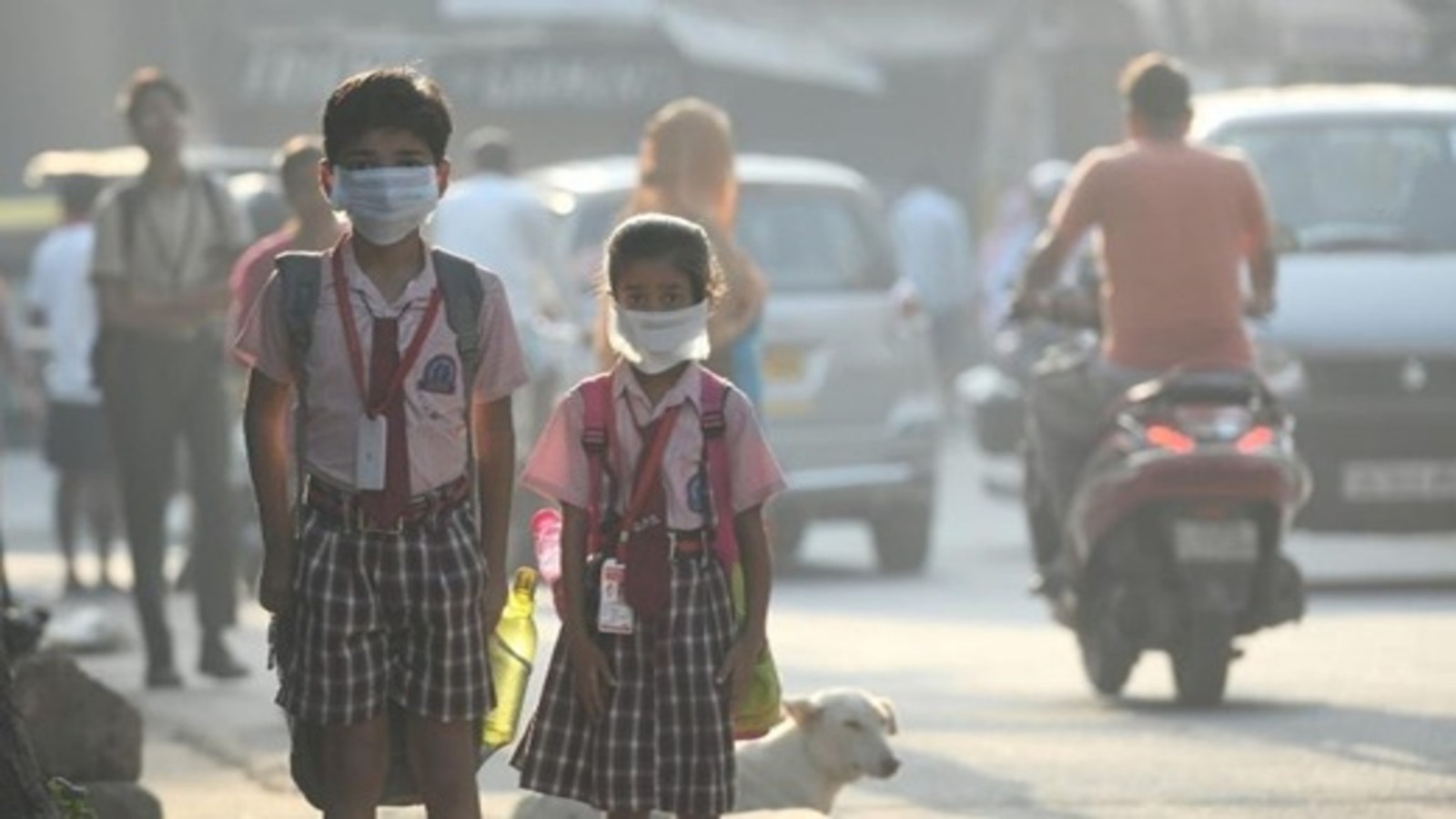
Children are among the most vulnerable populations. Medical research indicates a worrying decline in lung capacity among children growing up in polluted environments, raising alarm over children lung development pollution and its irreversible long-term consequences. Impaired lung growth affects immunity, physical development, and overall quality of life well into adulthood.
Elderly individuals and those with pre-existing conditions face heightened risks of cardiovascular events, including heart attacks and strokes, underscoring the strong link between air pollution and cardiovascular health India. Pregnant women are also at increased risk, with evidence suggesting adverse outcomes for both maternal and infant health.
Beyond individual suffering, air pollution health risks strain public healthcare systems, reduce workforce productivity, and disrupt daily life. Schools are forced to close, outdoor activities are restricted, and transport systems face safety challenges due to reduced visibility. These impacts demonstrate that hazardous air quality is not a temporary inconvenience but a sustained threat to public safety and economic stability.
3. Right to Clean Air and Constitutional Obligations
The right to breathe clean air is an intrinsic part of the Right to Life clean air guaranteed under Article 21 of the Constitution of India. Judicial interpretations have consistently held that the right to life includes the right to live in a clean, healthy, and pollution-free environment.
Several constitutional provisions reinforce this obligation:
- Article 47 imposes a duty on the State to improve public health
- Article 48A mandates the protection and improvement of the environment
- Article 51A(g) places a fundamental duty on citizens to protect the natural environment
When residents are compelled to inhale toxic air daily, these constitutional guarantees are effectively violated. The persistence of Delhi smog health effects raises serious concerns about environmental justice India, particularly for vulnerable populations who lack the resources to mitigate exposure.
4. Legal Framework and Enforcement Gaps
India possesses a robust legal framework to combat air pollution. Key statutes include the Air Pollution Act India and the Environment Protection Act 1986, which empower authorities to regulate emissions, enforce standards, and issue binding directions.
Judicial bodies have played an active role. The National Green Tribunal air pollution orders and multiple Supreme Court air pollution cases have repeatedly directed governments to take decisive action, including restricting polluting activities and strengthening monitoring mechanisms.
Despite this, enforcement remains weak. Violations of emission norms, construction guidelines, and waste-management rules often go unchecked. The Graded Response Action Plan (GRAP) designed as an emergency response mechanism frequently suffers from delayed implementation, inconsistent application, and lack of accountability.
Construction bans, traffic restrictions, and controls on diesel generators are often introduced only after pollution levels reach extreme thresholds, reducing their effectiveness. These enforcement gaps undermine air quality management India and normalise hazardous pollution levels.
5. Economic, Social, and Urban Impact
The Delhi air pollution crisis carries heavy economic and social costs. Reduced workforce productivity due to illness, increased healthcare expenditure, and disruptions to education and transportation impose a substantial burden on the city’s economy. Businesses struggle to operate during severe pollution episodes, while tourism and outdoor commerce experience long-term decline.
Urban inequality further intensifies the crisis. Low-income communities, street vendors, construction workers, and outdoor labourers face prolonged exposure to toxic air without adequate protection. This deepens existing social disparities and highlights the urgent need for equitable, rights-based policy responses grounded in environmental accountability India.
6. Urgent Need for Policy and Governance Action
Addressing hazardous AQI Delhi levels requires treating them as a public health emergency, not a seasonal inevitability. Immediate priorities must include:
- Strict enforcement of existing environmental laws
- Real-time public access to Delhi air quality today data
- Elimination of waste burning air pollution
- Mandatory dust-mitigation measures at construction sites
- Rapid expansion of green public transport India
- Transition to cleaner energy sources
- Effective inter-state coordination to address cross-border pollution
Long-term solutions demand sustainable urban planning, scientific monitoring, and institutional accountability. Without sustained political commitment, incremental measures will continue to fall short.
Call to Action: Support the Demand for Clean Air
The scale of Delhi’s air pollution crisis demands immediate and collective action. Policy reform alone is insufficient without public participation and accountability.
A public petition has been initiated to urge the Delhi Government to act immediately against hazardous air pollution and enforce existing laws without delay.
Add your voice and support the demand for clean air: https://c.org/MWRMY5FP74
Every signature strengthens the call for urgent, enforceable action. This petition reflects growing public concern that delayed and fragmented responses are no longer acceptable when lives are at stake.
Conclusion: Clean Air Is a Fundamental Right
Delhi’s air pollution crisis represents a direct threat to public health, constitutional values, and sustainable urban development. Clean air Delhi is not a privilege it is a fundamental human right owed to every resident.
Continued exposure to hazardous pollution undermines healthcare systems, economic productivity, and the dignity of life itself. Protecting the right to breathe clean air requires decisive leadership, strict enforcement of environmental laws, and long-term, science-based solutions.
Immediate action today is essential to secure a healthier, safer, and more equitable future for the people of Delhi and to uphold the constitutional promise of life with dignity for present and future generations.